Colored Braces: How to Choose the Best Combination
Braces have long been more than a treatment: they are an original way to express your personality, add bright accents to your everyday look or match your smile to your wardrobe.
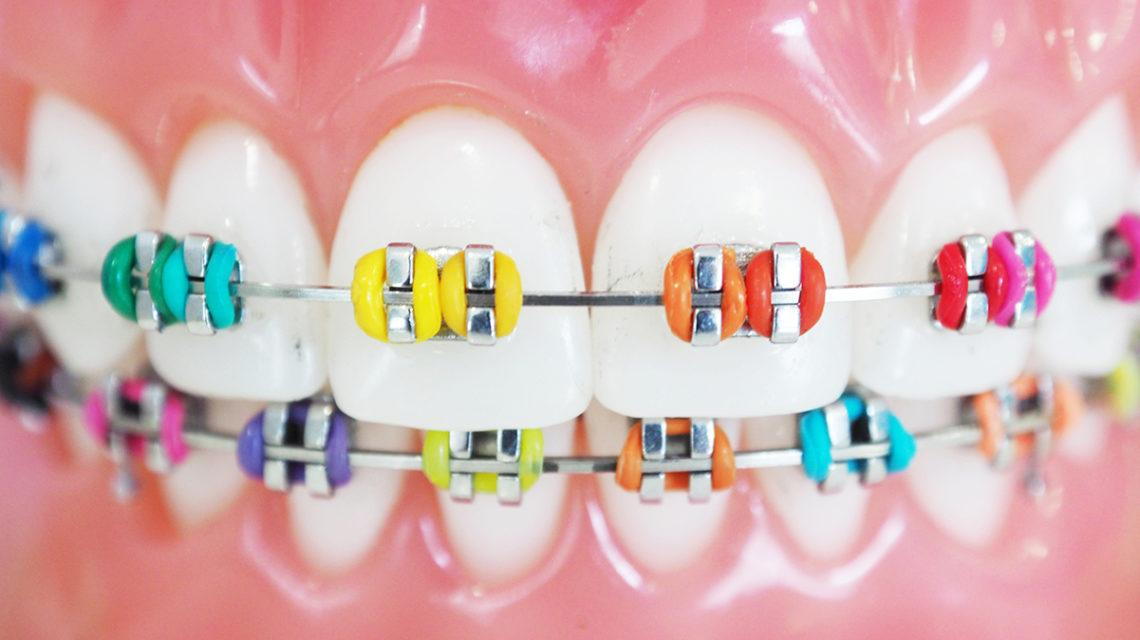
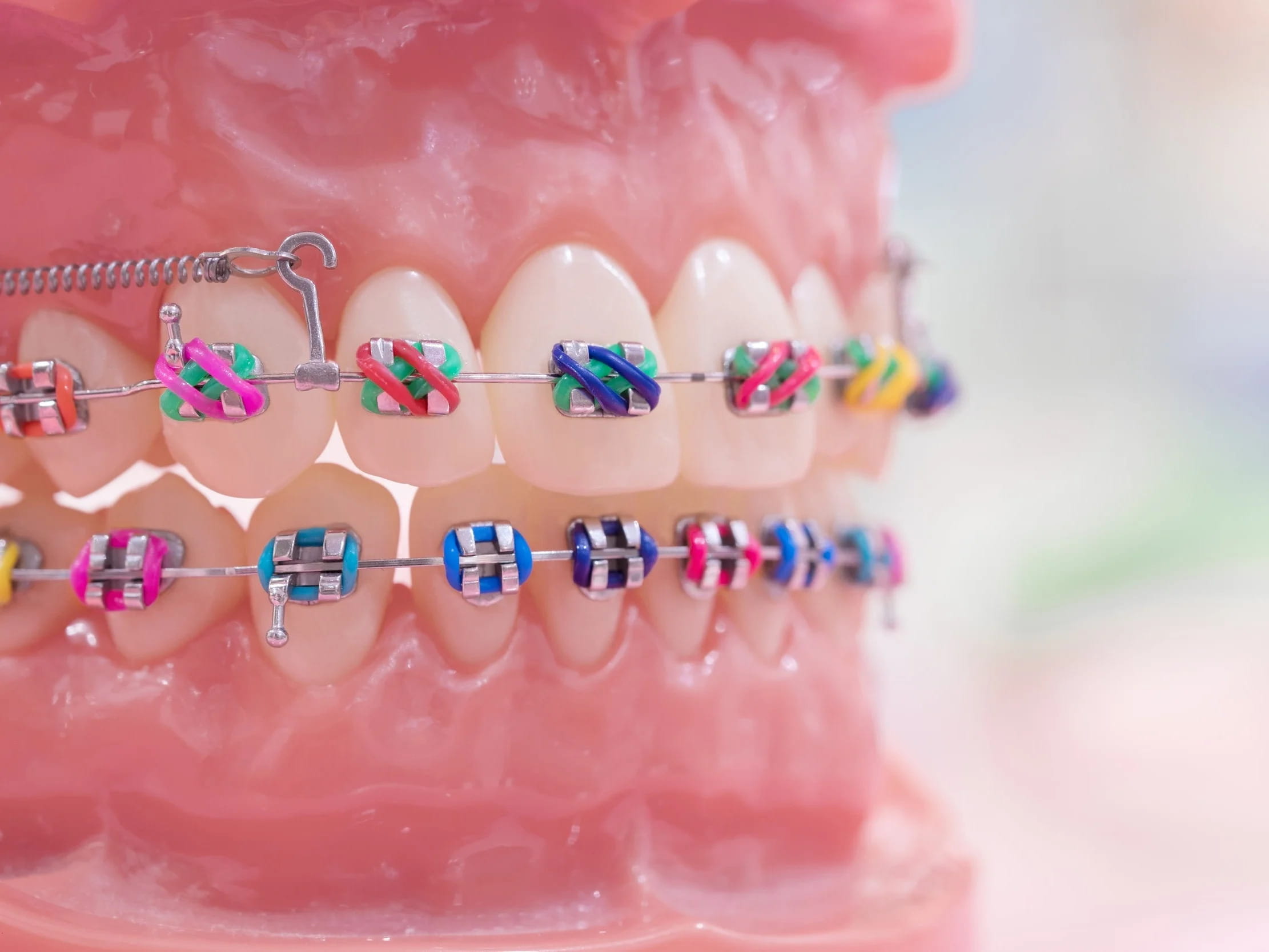
- The brackets themselves stay metal or ceramic: the color comes from elastic ligatures.
- Ligatures are replaced at every visit, every 4–6 weeks.
- To make teeth look whiter, choose dark, cool shades: navy blue, purple, burgundy.
- At Primedent, ligature changes and color choice are included in your check-up.
Many people think colored braces are a special type of appliance made from a different material. In fact, the brackets stay classic — metal or ceramic. The color comes from small elastic pieces (ligatures) that hold the archwire. They can be changed at every check-up with your orthodontist, turning bite correction into a fun style experiment.
At Primedent dental clinic, we'll help you choose the perfect color combination at every stage of treatment, so you feel confident in any situation.
What colored braces are and where the color comes from
Traditional orthodontic braces have two main parts: brackets, which are bonded directly to the enamel, and a metal archwire that links them into a system and gradually straightens the teeth.
Why the color comes from ligatures (bands), not the brackets
To keep the archwire in the bracket slots, colored elastic bands (ligatures) are used. They are made from medical-grade hypoallergenic silicone or polyurethane. These small rings come in dozens of shades — from soft pastels to bold neons — while the brackets themselves stay neutral in color.
How often can you change the color
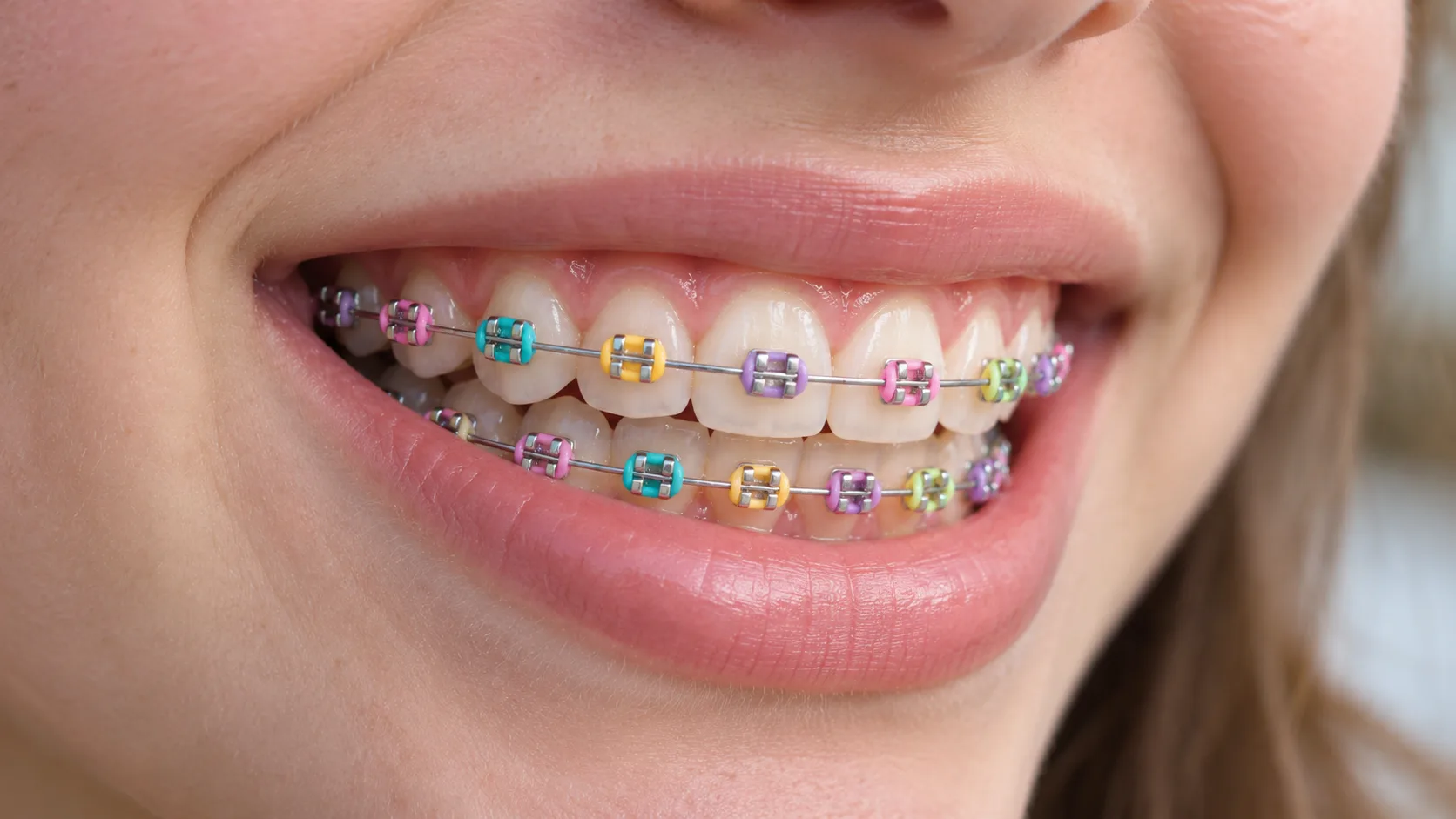
Elastic ligatures don't last forever. Over time they stretch under chewing forces and lose their elasticity. That's why braces with colored bands need new ligatures at every adjustment visit, every 4–6 weeks. So over the course of treatment you'll have more than ten chances to completely change your look.
How to choose braces colors for your skin tone
How harmonious your braces look depends on how the chosen shade works with your natural coloring — skin tone, eye and hair color. A well-chosen ligature color freshens up your face and highlights your natural beauty.
| Skin tone and coloring | Recommended colors | Colors to avoid |
|---|---|---|
| Fair skin (cool undertone, blonde or light brown hair) | Light pink, sky blue, mint, deep cornflower blue, turquoise, royal blue | Yellow, milky white, pale green, bronze |
| Olive / tanned skin (warm undertone, brown or dark hair) | Coral, turquoise, deep purple, emerald green, hot pink, burgundy | Light gray, pale yellow, brown |
| Brown / dark skin (dark eyes and contrasting dark hair) | Bright red, fuchsia, ultramarine, purple, anodized gold, blue | Clear, light beige, black |
Use this table as a guide, but above all trust your own taste and how comfortable you feel with contrast. Fair skin looks best with moderately saturated cool shades that don't create too sharp a contrast. Darker skin tones let you play with the brightest, richest colors without overloading your look.
Choose your skin tone and occasion — and see how your smile would look with different bands.
The calculator is based on the table and tips in this article and shows an approximate picture. Your orthodontist will help you choose the final shade at your appointment.
The best color combinations for every occasion
Day to day we go to the office, attend formal events, celebrations and meetings. That's why your choice of ligature colors can be adapted to your current pace of life.
Discreet combinations for work, interviews and weddings
If you need to follow a business dress code or have an important event coming up, go for subtle options:
- Silver or gray ligatures (they blend perfectly with metal brackets).
- Pearl or matte milky-white ligatures (ideal with ceramic braces).
- Soft turquoise or pale pink.
These options look neat and polished. They don't attract unnecessary attention during business meetings and go equally well with a classic suit and an evening or wedding outfit.
Bright and contrasting combinations
If you love being the center of attention and expressing yourself, contrasting combinations are perfect:
- blue + orange;
- purple + bright yellow;
- mint + fuchsia.
Alternating two colors tooth by tooth adds energy and playfulness to your smile. It's also a great way to show your team colors during sports events or match your favorite clothes.
Seasonal and holiday combinations (Christmas, Halloween)
Changing seasons and holidays are a great excuse for a themed smile update:
- New Year and Christmas: deep red with dark green or silver.
- Halloween: pumpkin orange with charcoal black or purple.
- Spring: soft pastels (lilac, peach, lime green).
- Summer: neon yellow, bright blue, coral.
Themed colors make orthodontic treatment light and fun. Our patients often pick colors specially for upcoming vacations or holiday photo shoots.
Colors that make teeth look whiter
Wanting a dazzling smile is one of the main reasons patients seek orthodontic care. And the right braces color can noticeably improve the aesthetics of your teeth even during treatment.
To make teeth look whiter, choose dark, rich, cool shades:
- navy blue, cornflower blue, indigo;
- deep purple or plum;
- dark burgundy or cherry red.
The secret is visual contrast. Next to a navy or purple ring, natural tooth enamel looks several shades lighter.
On the other hand, avoid pure white ligatures (next to them even healthy enamel looks yellowish), bright yellow, orange and clear ones (clear bands quickly darken from food dyes).
Braces for kids, teens and adults: does the color choice differ?
Age has a big influence on preferred shades. Kids see orthodontics as a game, so they choose the brightest braces colors, combining 3–4 shades at once. This helps ease their fear of treatment and motivates them to keep up with oral hygiene.
Teens follow trends more closely. Girls like pastel, lavender or turquoise colored braces, while boys more often choose graphite or navy options.
Adults prefer a more understated look. Women love delicate colors — rose gold, coral or wine — that match their lipstick. Men usually stick to silver, navy or clear ligatures.
Why it's easy to find the perfect color combination at Primedent
At our clinic in Spain we do everything to make bite correction comfortable and aesthetic:
Colored braces: frequently asked questions
Can I choose a different color for each tooth?
Yes. You can have all teeth in one color, alternate two shades or even pick a different color for each bracket.
How often are ligature colors changed?
The bands are replaced at every orthodontist visit — roughly every 4–6 weeks.
Is the color choice included in the treatment price?
Yes, at Primedent ligature changes and any color choice are already included in the price of your scheduled check-up.
From what age can you get colored braces?
As soon as fixed braces are placed — usually around 11–12 years old, when all baby teeth have been replaced by permanent ones.
Which colors best hide stains on teeth?
Deep navy, purple or burgundy tones draw attention to themselves, making stains or an uneven enamel shade less noticeable.
Do ligatures stain from food and drinks?
Light and clear bands can darken from coffee, tea, curry sauces or red wine. Rich dark shades are more resistant.
What braces colors does Primedent offer in 2026?
In 2026 our palette includes over 30 options: from classic silver to rose gold, lavender, mint and bright neons.